
What Can Go Wrong and How to Avoid Costly Roof Problems
Common roofing challenges during skylight installation usually involve leaks, weak framing, poor flashing, and damage to nearby shingles. Cutting into a roof always carries risk. If the opening is not framed or sealed the right way, water can get in fast. Small mistakes can turn into stained ceilings, mold, or even rot in the attic.
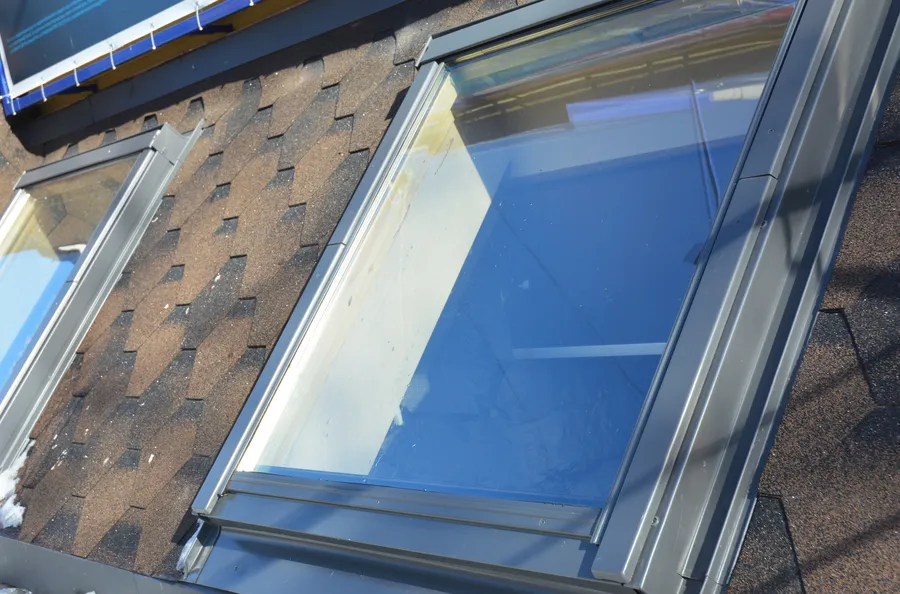
Common Symptoms Homeowners Notice
Roof problems after skylight installation often show up quickly. Some signs are easy to spot, while others build over time.
- Water stains on ceilings or walls
- Dripping during heavy rain
- Drafts around the skylight frame
- Shingles lifting near the opening
- Fogging between glass panes
If you see any of these signs, the issue may be linked to flashing, sealing, or roof structure changes made during the install.
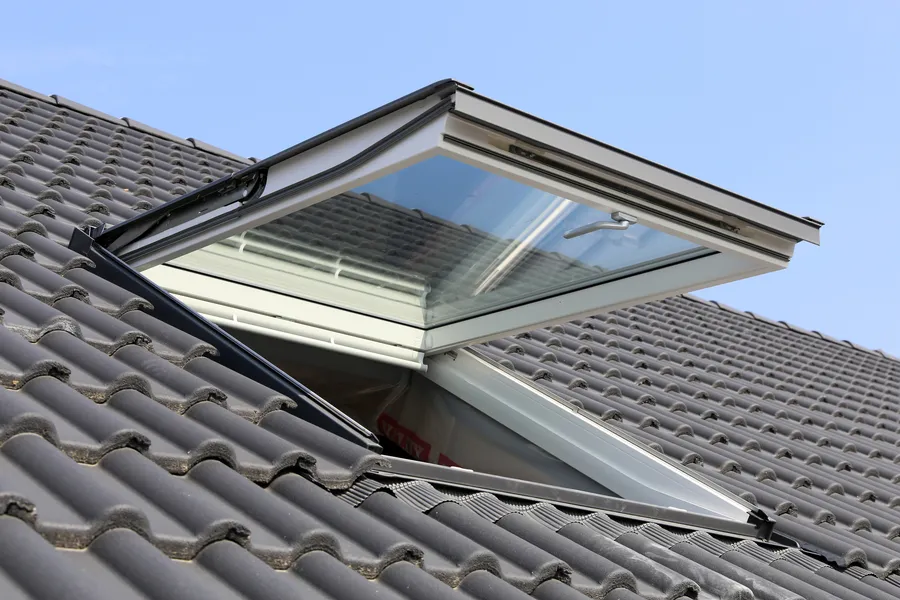
Likely Causes Behind These Problems
One of the biggest causes is improper flashing. Flashing directs water away from the skylight. If it is installed out of order or nailed incorrectly, water can slip under shingles.
Another common issue is poor framing. When contractors cut roof rafters, they must add proper supports around the opening. Without strong framing, the roof can sag over time.
Roof pitch mistakes also lead to trouble. Not every skylight fits every slope. If the angle is wrong, water may pool instead of run off.
Low-quality sealants are another weak spot. Cheap caulk cracks in heat and shrinks in cold weather. That creates gaps for leaks.
What to Check First
If you suspect a problem, start with a simple inspection from inside your home.
- Look for damp drywall around the skylight
- Check the attic for wet insulation
- Inspect wood framing for dark stains
- Watch for daylight showing through gaps
Outside checks are helpful but should be done safely. Never climb on a steep roof without proper tools and training.
Safe Fixes Vs Pro-Level Repairs
Some minor repairs are safe for homeowners. Replacing interior trim or repainting water stains is manageable. Cleaning debris around flashing may also help water flow better.
More serious problems require professional help. Replacing flashing, reframing the opening, or removing shingles around the skylight calls for trained roofers. These repairs connect directly to the roof system. Mistakes can spread damage beyond the skylight area.
If the skylight itself is cracked or poorly sized, full replacement may be the best fix. A proper skylight installation should match the roof pitch and be sealed with a manufacturer-approved kit.
Prevention Tips for Better Results
You can reduce risk by planning ahead before starting skylight installation.
- Choose the right skylight for your roof slope.
- Use factory-made flashing kits.
- Confirm framing plans before cutting rafters.
- Check local building codes.
- Schedule work during dry weather.
Regular roof inspections also help catch small issues early. This is especially helpful after storms or high winds.
Working with experienced roofing services makes a difference. Teams who handle roof penetrations often know how to protect shingles, underlayment, and attic insulation during the project.
When to Get Professional Help
If leaks continue after patching, call a licensed roofer. If your ceiling sags or drywall bubbles, do not wait. Structural damage can get worse fast. Homes with older shingles may also need partial roof replacement around the skylight area.
Complex roof designs with valleys or multiple slopes add extra risk during skylight installation. In these cases, professional planning and sealing techniques matter even more.
Get Reliable Help in East Hanover, NJ
Roof work should protect your home, not create new problems. At Tom A1 Roofing and Siding, we handle skylight installation and related roofing services with careful planning and skilled workmanship. Our team serves homeowners throughout East Hanover, NJ with safe inspections and long-lasting solutions. If you are dealing with leaks or planning a new skylight, call (973) 250-2777 and let us help you protect your home the right way.