
How to Choose the Right Spot for Better Light and Fewer Problems
The best skylight placement brings in steady natural light without causing glare, heat buildup, or roof leaks. It depends on your roof slope, sun direction, room layout, and attic space. When done right, a skylight can brighten a dark room and lower the need for electric lights during the day.
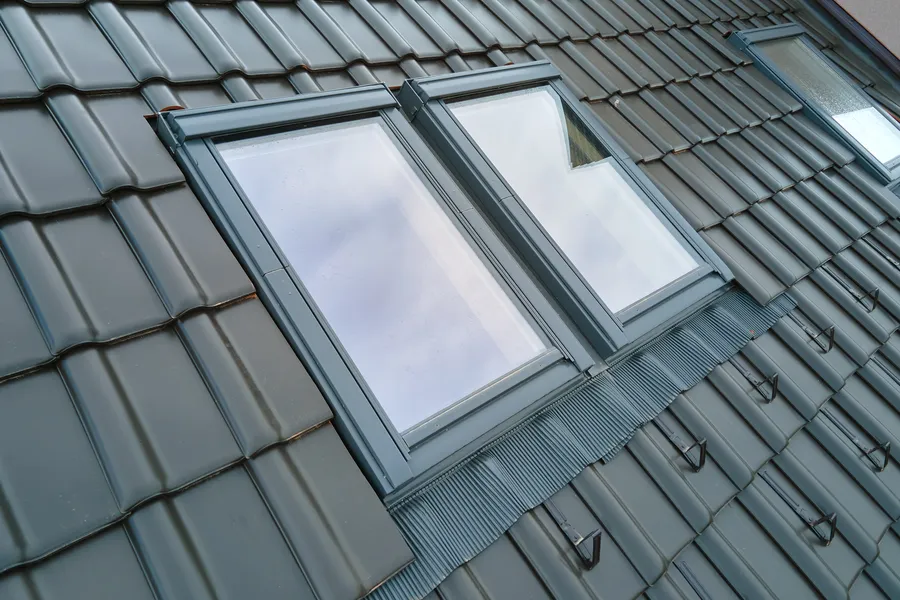
What to Check Before You Start
Before starting any skylight installation, take time to review a few key details. A skylight cuts through your roof, so planning matters.
- Roof slope and shape
- Direction your roof faces
- Attic space and framing layout
- Plumbing vents or wiring in the way
- Room size and ceiling height
South-facing roofs bring in the most sunlight. East-facing skylights catch bright morning light. West-facing units can bring strong afternoon heat. North-facing skylights give softer, even light throughout the day.
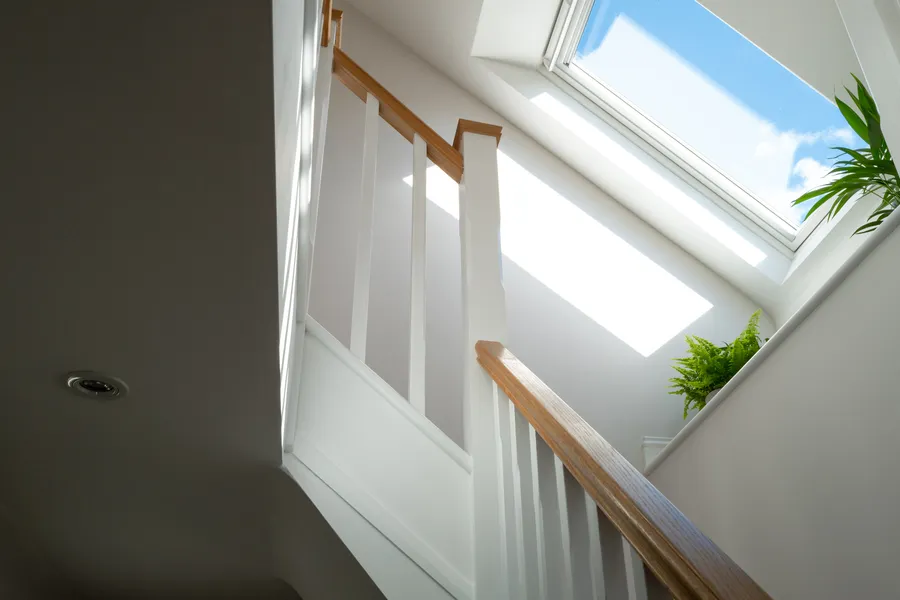
You should also check for rafters and trusses in the attic. Cutting a roof beam without a plan can weaken the roof. This is where professional roofing knowledge becomes very helpful.
Step-by-Step Placement Process
Proper placement follows a clear process. Skipping steps can lead to leaks, glare, or poor results.
- Pick the right room. Choose spaces that lack natural light, such as hallways, bathrooms, or kitchens.
- Measure the room. The skylight size should match the room. A good rule is five to ten percent of the floor area.
- Check roof direction. Decide how much sunlight and heat you want during the day.
- Inspect attic framing. Make sure there is space between rafters for the unit.
- Avoid shaded areas. Trees, chimneys, and nearby buildings may block light.
- Plan proper flashing. Flashing seals the edges and protects against water leaks.
These steps help skylight installation go smoothly and reduce future repair needs.
Common Mistakes to Avoid
Many homeowners focus only on light and forget about heat and moisture. One mistake is placing a skylight where summer sun will overheat the room. Another is ignoring roof pitch. A skylight needs the correct slope so water drains away.
Some people also choose a skylight that is too large. Bigger does not always mean better. Too much direct light can fade floors and furniture.
Poor sealing is another issue. If flashing is not installed the right way, leaks can form around the frame. That can damage drywall and insulation.
When to Call a Professional
If your roof has a steep pitch, complex angles, or truss framing, it is smart to call an expert. Cutting structural parts of the roof requires skill and the right tools. A licensed contractor can also check local building codes and permit rules.
Professional skylight installation often includes checking insulation and ventilation. This prevents condensation in colder months. In warm climates, experts may suggest tinted glass or built-in shades to control heat.
If you already have roof damage, repairs should come first. Installing a skylight on a weak roof can lead to bigger problems later.
Final Recommendation and Next Steps
Good skylight placement balances light, comfort, and roof safety. Think about sun direction, room size, and roof framing before cutting into shingles. A careful plan leads to better daily use and fewer surprises down the road. If you are in East Hanover, NJ and want advice on safe and efficient skylight installation, contact us at (973) 250-2777 to talk about your home. Our team at Tom A1 Roofing and Siding handles planning, placement, and full installation so we can help you add natural light the right way.